











 Call
Call 


 Access Your Account
 DSL vs. Cable Internet

Table of Contents
Do you need to connect your home or business to the Internet? Are you satisfied with your existing Internet service but want to compare your plan to others in your area? Whether you already have Internet service or are setting up a brand new line, it’s important to make an informed decision and get the best value.
Choosing the best Internet connection for your needs is a balance of determining how much connection speed you need with how much you are willing to pay and what your area has available. There is a lot of information to digest, especially when you hear terms like “router,” “Gigabit speeds,” or “fiber Internet.”
Cable and DSL are the two most common types of Internet service. But how do you know which one is right for you? Let’s find out!
What is DSL?
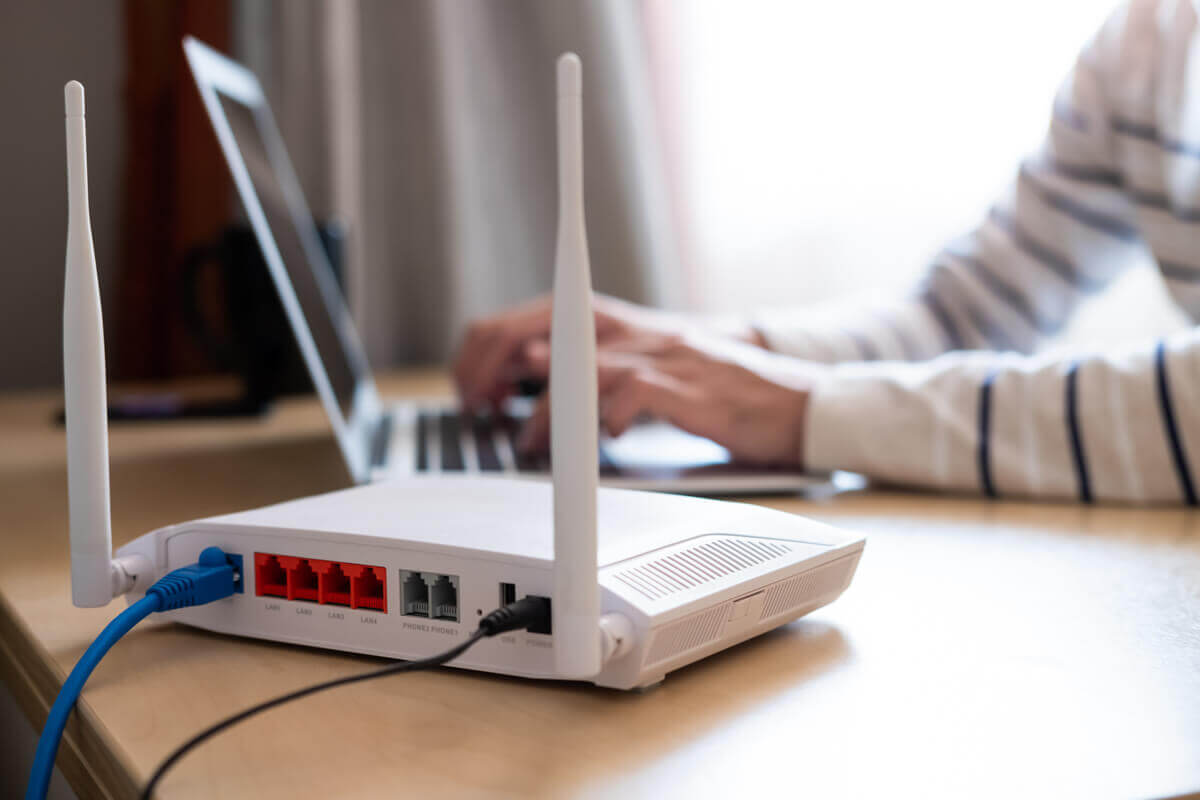
DSL is short for “digital subscriber line.” Most homes are wired with copper for telephones to be connected. DSL connects the phone lines to high speed Internet service offered by telephone service providers or independent Internet providers. This means the Internet is transmitted through those wires you see on telephone poles.
DSL is in nearly every home because home telephone lines have been a standard mode of communication since the era of radio. This means DSL can reach nearly everywhere. The drawback is, since the data is transmitted over wires that are above ground, they are subject to weather, accidents, signal decay, and anything else that might disturb data traffic. DSL Internet speeds are also slower at transmitting information, capping out at around 100 Mbps (megabytes per second).
What is Cable Internet?
Starting in the 1970s, an increasing number of homes have added cable television to their home’s internal wiring. Cable TV adds channels to the standard radio-wave lineup that the first TV sets used. Similar to how DSL uses existing telephone lines, cable Internet uses these cable TV connections to bring Internet into homes and businesses.
The biggest differences come from the speeds they offer and the availability of cable Internet in the area. Cable transfers information faster because bits of television information are bigger than bits of telephone information, so faster wiring is already built in, making cable capable of Gigabit speeds (1,000 Mbps). Cable is dug into the ground, which is beneficial because the lines don’t get disrupted by weather as often. However, it also means that there are places where cable can’t reach.
Which is Available Near You?
DSL is often more available in places cable lines can’t be connected, such as in the deepest parts of mountainous areas. If your area relies on satellite television rather than cable, you might not have cable Internet, either. However, DSL and cable are both available to almost 90% of homes in the United States, so the difference in availability is negligible.
Another consideration is that some speeds may not be available or may vary in cost by provider. You might find the cable company doesn’t have the speed you want, or that their plan for your speed is more affordable than the DSL company. Your needs come first when selecting the right plan.
If your area relies on satellite television or offers low ground-wire speeds, you might also look into satellite Internet. Satellite offerings bypass all the cables and wires on the ground by transmitting the data through space. Satellite Internet technology is rapidly improving to keep up with demand, making it a great alternative for people who live in remote areas that ground infrastructure costs too much to reach.
What Speeds Do You Need?
When it comes to Internet speeds, your Internet use is the determining factor. How many people use it and what do they use it for? The more people are in your home, the more devices they will probably have, which necessitates more speed. Some of these devices might use WiFi, but that still means they’re using your speed, even if you live alone. You can evaluate your speed needs by running the test included here.
Intensive use, like 4K video streaming, a lot of uploading and downloading, or avid online gaming, might require more speed. These activities might also require parity, which is upload speeds that are the same as the download speeds. Uploading is sending data and downloading is receiving it. Since most of our online activity is downloading, some plans focus on download speed.
Most of our uploading is sending requests to websites, while the majority of the data is used to download the answers to your requests. 4K streaming uses more download speed, but online gaming or video surveillance also need upload speed to be efficient and lag-free. If you plan to add these activities in the future, that might also be a part of your “speed budget.”
What Kind of Prices Can I Expect?
The most common factor to pricing of Internet plans is speed. Faster speeds usually mean paying more for your plan. This is a worthy investment if you need the speed, but paying for higher speeds when you only need 15 Mbps isn’t really cost effective. Since DSL broadband is easily attainable, it can be more than adequate for even a multi-user household.
However, you are also paying for other services that support your Internet service. These include reliability, technical support, and customer service. Even a company with the fastest speeds in your area is only as reliable as its infrastructure, and if its customer service isn’t helpful to you, no matter how polite or informative they try to be, it becomes harder to work with them. Cable companies also tend to raise their prices after an introductory period, while DSL often has “price for life” plans.
Since both cable and telephone are common utilities, your home might already subscribe to one of these services. They often offer bundles with other products, like cable, mobile phone service, or home telephone service. These can often be worth checking out, and having both cable and telephone service offers multiple bundles to explore. It never hurts to look outside your telephone or cable provider, however.
Is Fiber Important?
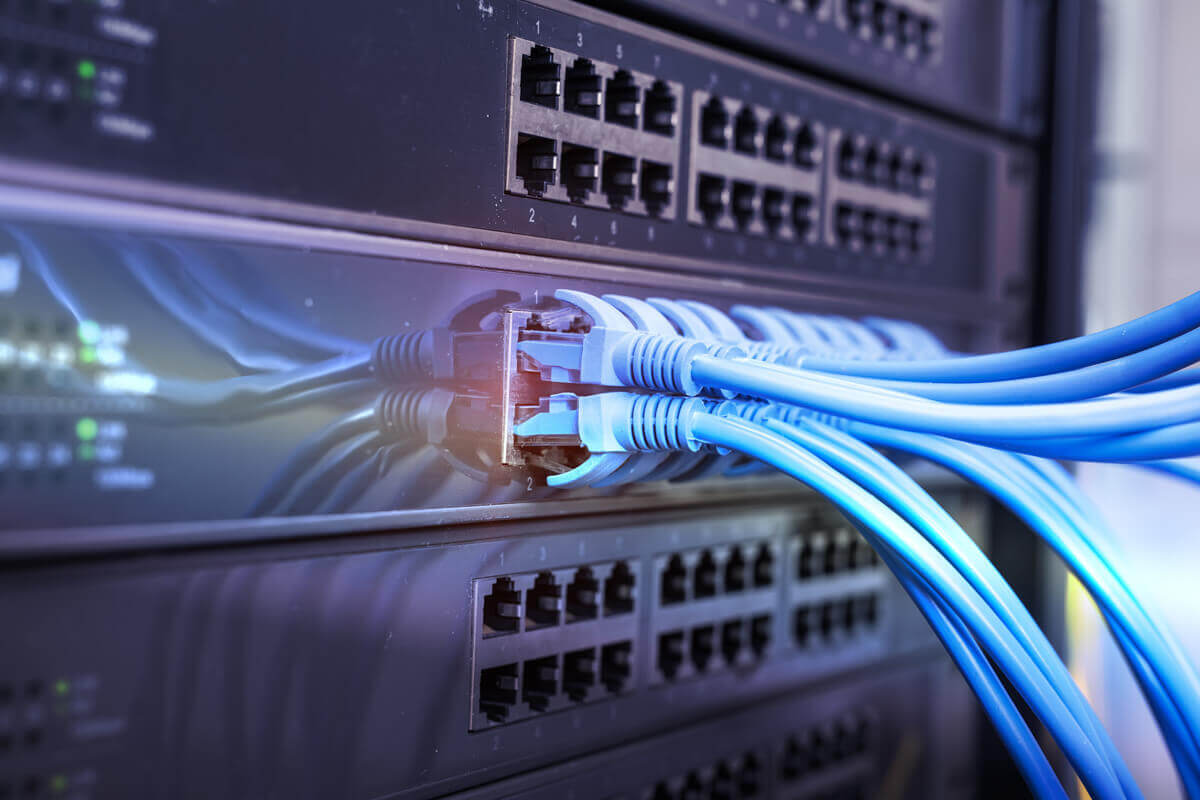
Fiber wiring is a faster way to transmit data, because it is made from glass rather than metal wire. Some places have either rewired completely or complimented existing infrastructure with this wiring to provide faster Internet speeds for customers. These speeds can reach up to 1,000 Mbps (1 Gbps, or Gigabit speed). Most fiber is offered by cable companies, although emerging 5G technology is ushering these speeds in as well.
It is worth checking if your area has fiber, but for many people it is more speed, and therefore more cost, than they need. Since there are a lot of areas where fiber wiring and speeds are not available, this type of Internet service is a great perk, but not a necessity for most people.
Is Installation Difficult?
For both cable and DSL service, most of the wiring to connect the building to the Internet is already there. Any adjustments that need to be made, for example to have DSL Internet in a room that doesn’t have a telephone, are usually made by technicians from your Internet provider for a one-time fee. You are then wired to a hub or phone line outside your home, which leads back to your provider’s local servers.
Indoors, you are usually provided with a cable modem or DSL modem which connects to your computer using an Ethernet cable or a coaxial cable (sometimes both). Many other Internet-connected devices might also need cables to connect to a TV set or USB port. For you, it’s as simple as that.
It’s worth noting that modems can also be routers. A router manages a home network by handling multiple Ethernet cables. This has become standard from most Internet companies as well as built-in WiFi routers for managing wireless device connections. Internet service providers lease modem/routers to subscribing customers, but modems can also be purchased individually if you prefer to own yours.
DSL vs Cable Internet: What Are the Real Differences?
In the world of broadband Internet, cable connections are competitive with DSL, but that doesn’t count the copper wires out.
DSL speeds are more than adequate for the Internet use most common in households, and many cable companies offer the same speeds for comparable prices. DSL is also often consistently priced throughout the life of your plan, while cable companies offer introductory packages whose prices might go up later. Even if cable is available to your location, DSL can be a better fit.
Cable Internet is faster than DSL though, and while the price may be higher, Gigabit speeds can ensure that a home or business with a lot of devices will run smoothly and have room for more upgrades. They also often bundle with your cable television service, making your bill easier to manage.
Neither cable nor DSL are always the best choice, and sometimes plan offerings can be less data speed than consumers need, even when they are offered. If neither cable or DSL seem right for you, satellite Internet options are available no matter where you are.
The best way to find the right plan, whether DSL, cable, or satellite, is to compare what’s available in your area. Maybe your existing plan is the best there is to offer, but wouldn’t you rather be sure?