












 Call
Call 


 Access Your Account
 What is Latency? Lag in Gaming and Streaming

Table of Contents
We expect instant satisfaction from our internet experiences these days.
Click a link and a webpage loads like magic with all its graphics. Press “play” on a video and it starts in the blink of an eye. But it wasn’t always this way.
Back in the early days of the internet, even a simple web browsing session could be a painfully sluggish experience. What changed to give us the high-speed internet we know today?
Though a number of advances helped speed up the internet, the most important was that engineers found ways to lower latency.
Understanding Latency: A Definition
Latency refers to any delay or lag when transferring data between two points. Latency measures the time it takes for a single packet of data to travel from one designated spot on the internet to another.
Latency is measured in round-trip times, meaning the duration of the full data journey there and back. It is usually counted in milliseconds (ms).
Latency can affect web pages, video streams, online games, and other activities on the internet. Latency determines the wait you experience between sending off a request and receiving the response you want.
The lower the latency of an internet connection, the snappier and more responsive using the internet feels. Higher latency leads to delays and lag in loading pages, buffering video streams, and glitching in games online.
What Causes Higher or Lower Latency on the Internet?
There are a few key factors that determine the latency of an internet connection, including:
- Physical distance data has to travel
- Transmission medium carrying the data
- Network congestion slowing traffic flow
Fiber-optic cables allow data transmission at around 2/3 the speed of light. So physical distance still plays a role. But switching analog copper wires for speedy fiber-optic connections makes a huge difference.
Factors like infrastructure quality, Wi-Fi capacity, and number of users sharing the system also affect real-world latency results.

Latency means a lag in transmission
Typical Latency Levels by Internet Connection Type
As a general guideline under normal conditions, these are the typical latency (round-trip delay) values seen over some standard internet connection types today [1].
Cable: 10 to 40ms
DSL: 30 to 65ms
4G LTE mobile [2]: Around 30 – 75ms
Satellite internet: 500 – 700ms
Fiber-optic: 8 to 20ms
However, remember real-world latency varies based on other factors impacting the network. These are just general expectations.
Satellite internet is known for high latency due to the vast physical distances that signals must travel to and from orbit.
Fiber-optic connections transmit data so quickly that they have very low latency compared to other common connection types.
How Latency Affects Internet Activities
While you might not consciously notice a delay of 100-200 milliseconds during casual web browsing, latency becomes crucial for time-sensitive online activities.

Latency affects gaming
What is Latency in Gaming?
Serious gamers are all too familiar with “lag,” or delays between making an input and seeing the reaction in-game. Latency above 50ms is problematic for fast-paced competitive titles like Fortnite or Call of Duty. At 500ms latency, gamers find it nearly impossible to play effectively.
High latency means you see other players teleporting around the map and hits not registering properly. Low latency connections keep the experience smooth and responsive, so skill and reaction times determine the outcomes.
Latency Causes Buffering and Hurts Streaming
When latency creeps higher, video streaming services have to buffer more frequently to account for delays in data transfer. Buffering interrupts viewing sessions and hurts overall quality of experience. For live streams, high latency means viewers see reactions and comments that feel completely out of sync with the actual event.
The move to low latency streaming protocols has made services like Twitch much more engaging for esports and gaming content. Immediacy heightens the excitement of the game.
Laggy Video Call Connections
Latency becomes obvious on video calls when reactions don’t sync properly between participants. Questions are followed by long awkward pauses. People talk over each other. Glitchy, stuttering video kills conversations when the flow feels disjointed.
The pandemic led to huge surges in video calling. But ISPs struggled to keep up with capacity demands at times, leading to latency spikes.
Upgrades to support remote work and virtual learning focused on lowering latency for millions of new video chat users.
Latency Levels Across Internet Connection Types
Common internet connection types are known for their high or low latency.
Wired broadband connections offer low latency
Wired internet services like cable, DSL, and fiber internet provide reliably low latency for general use case.
Cable connections hover between 10-40ms latency, delivering snappy response times for browsing, video streaming, downloading content, and similar activities.
DSL latency runs a bit higher at 30-65ms but remains very reasonable for activities that aren’t as time-sensitive.
Fiber-optic internet has low latency
Fiber-optic internet brings lowest latency
Fiber-optic internet connections transmit data as light pulses through flexible glass cables [3]. This light-based technology allows fiber connections to deliver extremely high speed and bandwidth, and unmatched low latency.
Real-world fiber latency measures between 8-20ms generally—far outperforming cable internet or DSL.
As more internet infrastructure upgrades from copper to fiber-optics, average latency continues to decrease across networks. Fiber remains the gold standard today for applications where low latency makes a difference.
In addition to online gaming, fiber supports advances in financial trading, scientific research over global networks, remote medical procedures via robotics, and similar cutting-edge use cases.
The only downside of fiber internet is that it is not yet available in most rural areas. But rapid buildout supported by federal programs is spreading fiber access across the USA.
Wireless Connections Balance Mobility and Latency
Today’s wireless networks offer the convenience of connectivity on the go. However, mobility does involve some latency tradeoffs compared to fixed connections. Physical obstacles, network congestion, and other factors impact consistency.
Cellular networks like 4G LTE offer reasonable latency these days, at around 30-75ms for normal use. But bandwidth capacity remains far lower than wired connections.
5G pledges cutting edge improvements to lower latency further to single digit ranges – although coverage remains limited so far.
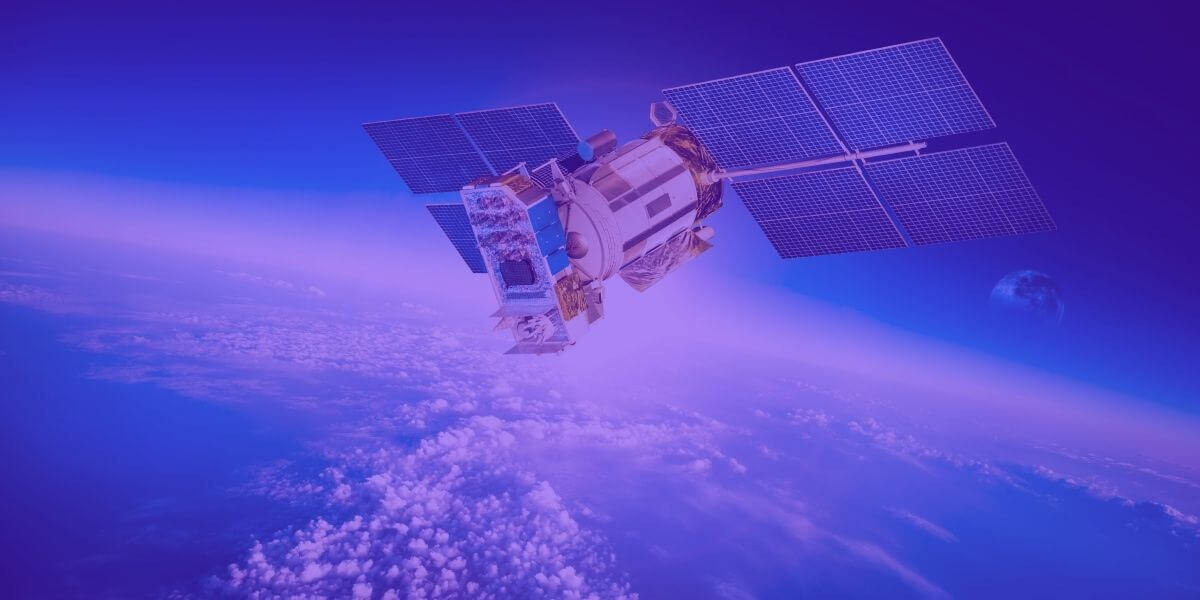
Satellite internet connectivity allows users to connect from anywhere. But beaming data to and from orbit suffers from unavoidable latency limitations. Typical satellite latency remains very high in the 500-700ms range at best.
New Low Earth Orbit satellite ventures promise major latency improvements ahead. Some satellite companies are also blending wireless tower service with their satellite service to lower latency for some activities.
Satellite internet has high latency
From Past to Future: Lowering Latency with Innovation
Bringing down latency has long been a priority to improve digital experiences and support tech breakthroughs.
The rollout of 5G cellular networks and launches of LEO satellite internet are just the latest examples of innovative projects seeking to slash latency further and further [4].
The Internet’s Stone Age: Blinking Images and Frustrations
In early internet days, painfully slow 14.4k and 28.8k modems were the norm for households wanting to get online. Latencies stretched up to multiple full seconds, which meant that even simple webpage visits became exercises in patience.
It took ages for images to fully blink onto screens bit-by-bit. File transfers crawled at mere kilobits-per-second speeds. Any real-time communication seemed more headache than convenience, considering lengthy delays that disrupted conversations.
Looking back, it’s hard to believe that people actually put up with these frustrations. But this groan-worthy glitch-fest was cutting-edge connectivity at the time!
Since then, generations of new infrastructure kept upgrading capacities across network backbones and last-mile connections into homes [5]. Bringing more affordable bandwidth through broadband gradually removed most major bottlenecks.
Present-Day Networks
Over time, networks upgraded equipment, protocols, peering arrangements and more to keep driving lower and lower latencies. Efficient new compression codecs now minimize delays streaming high fidelity media. Multi-gigabit core routes handle immense traffic levels with minimal queuing time for individual packets.
We now take for granted snappy, real-time interactivity across many online platforms and services. Butt this progress only resulted from non-stop optimization efforts happening behind the scenes.
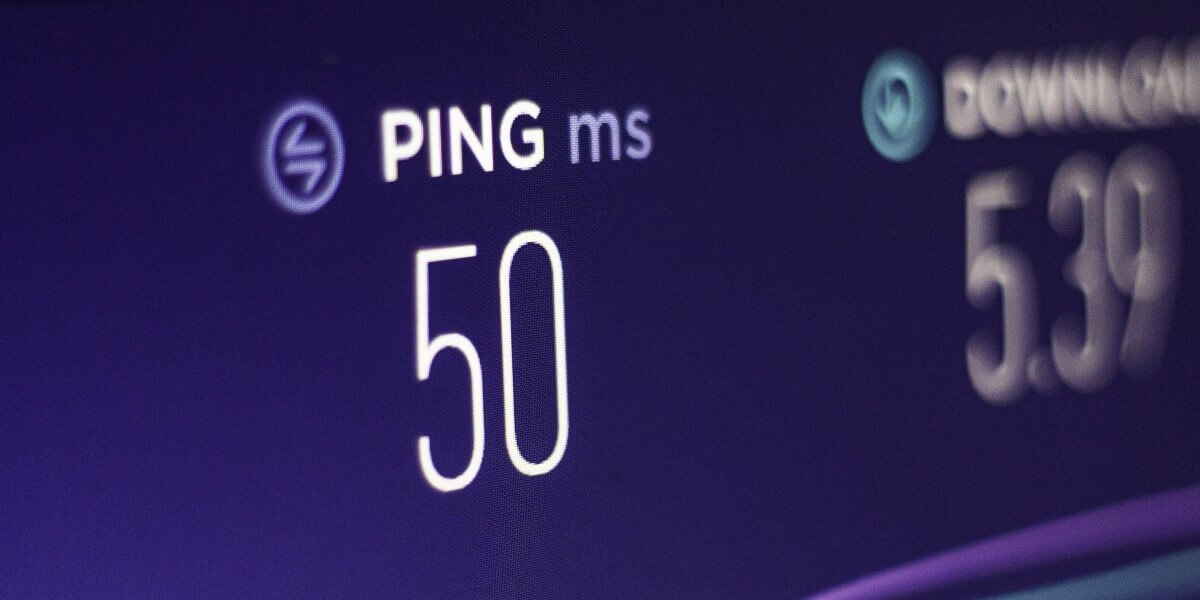
If you want to measure the latency of your current internet connection, use an online speed test that includes “ping." Ping is the casual term for a measurement of latency.
What Does the Future Hold for Latency?
The last couple of decades brought internet latency down from multiple seconds to double digit millisecond responses. Where might the next generation 5G networks and satellite innovations take us?
Engineers envision literal single-digit millisecond latency becoming common for everyday connections across wider areas [6].
This level of latency unlocks transformative new use cases. We could see rapid advances in self-driving vehicles, remote robotic surgery, augmented/virtual reality immersion, and other technology.
The future remains full of potential thanks to bright minds continually pioneering techniques to maximize digital possibilities. Lowering latency to unprecedented levels is central to ambitious efforts in engineering, medicine, and virtual reality.
If you think your connection might be suffering from high latency, you can explore your other internet options in your area by entering your zip code.
Sources
[1] FCC.gov. “Measuring Broadband America."
[2] Statista.com. “4G and 3G network latency in the United States."
[3] FCC.gov. “Getting Broadband."
[4] NASA.gov. “Humans in Space: LEO Economy FAQs."
[5] ScienceandMediaMuseum.org.uk. “A short history of the internet."
[6] Spectrum.IEEE.org. “Breaking the latency barrier."