











 Call
Call 


 Access Your Account
 VR Gaming Internet Requirements: Stop Lag & Play Like a Pro

Table of Contents
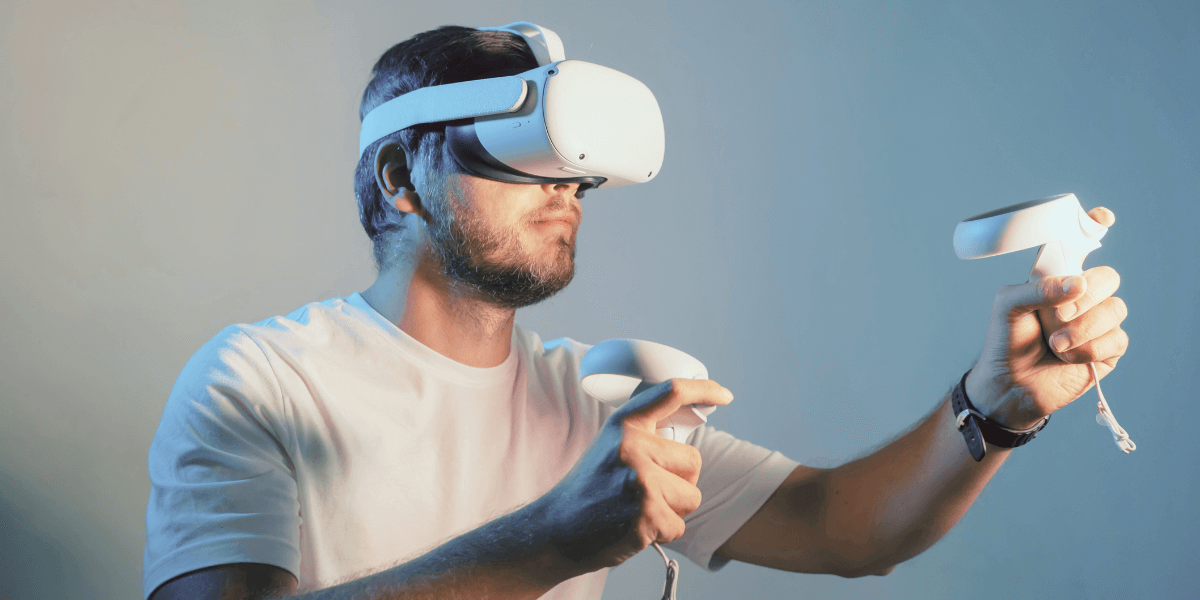
Ever found yourself frozen mid-lightsaber swing in Beat Saber or watching your avatar stutter through a crucial moment in Population: One? If you’re a VR gamer, you know that nothing kills the magic of virtual reality faster than a laggy internet connection. Whether you’re slicing blocks, exploring virtual worlds, or defending your team in competitive VR shooters, your internet connection can distinguish between virtual victory and a motion-sickness-inducing disaster.
But here’s the thing — not all internet connections are created equal regarding VR gaming. That bare-minimum plan that works fine for scrolling social media just won’t cut it when you’re trying to nail perfect combos in virtual space. As a VR enthusiast, you need an internet setup to keep up with your virtual adventures.
Why Internet Speed Is Critical for VR Gaming
When you dive into virtual reality, your internet connection plays a far more significant role than traditional gaming. VR systems must process and respond to your movements in real time while delivering high-resolution graphics to both eyes. This creates a substantial demand for data throughput that surpasses regular gaming needs. A delay of even a fraction of a second can break immersion and cause motion sickness [1].
Modern VR headsets need varying levels of internet speed depending on how you use them. Basic standalone VR gaming typically requires at least 25-50 Mbps, but this number climbs quickly when you add multiplayer features or high-quality streaming. For the most demanding applications, like cloud-based VR or competitive multiplayer games, speeds of 200 Mbps or more provide the best experience.

Understanding Different VR Headsets and Their Needs
The Meta Quest line of headsets, including the Quest 2 and Quest 3, has become increasingly popular due to its versatility. These devices function as both standalone units and PC-connected VR headsets. The Quest 2 requires a minimum of 25 Mbps for standalone gaming, while the Quest 3, with its higher-resolution displays, benefits from speeds of 50 Mbps or more. Both headsets need significantly more bandwidth when streaming PC VR content through Air Link or Virtual Desktop – at least 100 Mbps for Quest 2 and 200 Mbps for optimal Quest 3 performance at higher frame rates and resolutions [2].
PC-based VR systems like the Valve Index and HTC Vive operate differently. While they rely on your computer for processing power, they need solid internet connections for multiplayer gaming and content downloads. A minimum of 50 Mbps is recommended, with 100 Mbps or more providing a better experience for competitive play and social VR applications [2].
Managing Multiple Users and Household Demands
When multiple people in your household use VR or gaming devices simultaneously, bandwidth requirements multiply quickly. For example, if you have:
- One person using a Quest 2 for multiplayer VR gaming (50 Mbps)
- Someone streaming 4K content (25 Mbps)
- Another person on high-quality video calls (5-10 Mbps)
Your household would need a reliable connection of at least 100 Mbps to handle these activities simultaneously without degradation. For homes with multiple VR users or newer headsets like the Quest 3, consider connections of 200 Mbps or higher to ensure everyone enjoys a smooth experience.
Essential protection for your connection
Securing Your VR Gaming Connection
Security becomes increasingly important as VR gaming grows more competitive and social. A VPN can protect your connection from potential attacks and interference, but choose one optimized for gaming to minimize latency impact. Many gaming routers now include built-in security features to protect against DDoS attacks and other gaming-related threats [3].
Enable your router’s security features for competitive VR gaming, and consider using a gaming-focused VPN service. These measures might add a small amount of latency (typically 10-20ms, depending on the VPN service), but they provide essential protection for your connection and personal information. Regularly update your router’s firmware and VR device software to maintain security and performance.

Fiber is VR’s best friend
Choosing the Right Internet Connection
The type of internet connection you choose can significantly impact your VR gaming experience. Fiber-optic internet stands out as the premier choice, offering unmatched speeds and, crucially, the lowest latency. The symmetrical upload and download speeds typical of fiber connections prove particularly valuable for VR gaming, where consistent performance matters more than peak speeds.
Cable internet serves as a strong alternative where fiber isn’t available. Modern cable networks can deliver speeds well suited to VR gaming, though they may not match fiber’s low latency. Most cable connections provide enough bandwidth for any VR application, from basic gaming to multiplayer experiences.
The emergence of 5G home internet has introduced another option for VR gamers. While 5G can deliver impressive speeds, its performance varies significantly based on location and network congestion. It works well for mobile VR experiences but may not provide the consistency of wired connections for high-end VR gaming.
While better than no internet at all, Satellite internet presents challenges for VR gaming. The high latency inherent in satellite connections can make many VR applications uncomfortable or unplayable. Gamers in rural areas should carefully consider their options and may want to prioritize lower-latency alternatives when available.

Wired vs. Wireless
While wireless VR offers freedom of movement, understanding the performance differences between wired and wireless connections is crucial. A wired ethernet connection typically provides 1-2ms latency, while even the best WiFi 6 setups usually have 3-8ms latency. This difference might seem small, but in fast-paced VR games, it matters.
A direct ethernet connection to your gaming computer provides the most stable experience for PC VR users. However, standalone headsets like the Quest series rely on WiFi, making router quality and setup crucial. WiFi 6 (802.11ax) routers offer significant advantages over older standards, providing up to 75% lower latency and better handling of multiple devices [4].
Advanced Router Settings for VR Gaming
Modern routers offer several features that can dramatically improve VR performance. Quality of Service (QoS) settings allow you to prioritize VR traffic over other network activities. Here’s how to optimize your router:
Enable VR-specific QoS: Many gaming routers now include presets for VR gaming. These settings automatically prioritize VR traffic and adjust wireless channels for optimal performance [5].

VR Streaming and Content Creation
If you want to share your virtual adventures with the world, your internet connection needs some serious muscle. VR streaming is particularly demanding because you’re not just broadcasting a single screen—you’re transmitting an entire virtual world in high resolution.
For smooth VR streaming, resolution and frame rate are your top priorities. At a minimum, aim for 1080p at 60fps to keep your stream looking professional and fluid. Your bitrate—the amount of data you send per second—plays a crucial role here. A bitrate between 20-30 Mbps will give your viewers crisp, clear visuals without buffering issues [6]. This means you’ll need an upload speed of at least 35-40 Mbps to maintain a stable stream with some headroom for other tasks.
Want to kick things up a notch? Mixed reality streams or green screen effects will push these requirements even higher. For these advanced setups, consider:
- Upload speeds of 40-50 Mbps minimum
- Additional processing power for real-time compositing
- A wired connection to eliminate wireless interference
Pro tip: Always run a test stream for at least 15 minutes before going live. This helps you catch any potential issues with your connection or settings before your actual broadcast. Many streaming platforms offer tools to check your stream health and stability—use them!
Optimizing Your VR Gaming Experience
Connection problems can manifest in various ways during VR gaming. Lag and stuttering often indicate insufficient bandwidth or high latency, while frequent disconnections might point to wireless interference or router issues. Most connection problems can be resolved through hardware upgrades, network optimization, and proper setup.
For competitive VR gaming, additional network optimization becomes crucial. Advanced router features like port forwarding can help reduce latency, while QoS settings ensure your VR traffic takes priority over other network activities [7]. These optimizations can make the difference between winning and losing in fast-paced VR competitions.

Preparing for the Future of VR Gaming
As VR technology continues to advance, internet requirements will likely increase. Upcoming technologies like WiFi 6E and WiFi 7 promise better wireless performance, while cloud VR gaming services may demand even higher speeds. When choosing an internet plan, planning for these future needs can save money and hassle in the long run.
When selecting an internet plan for VR gaming, look beyond raw speed numbers. Data caps, latency, and upload speeds are crucial in the overall experience. The best plans offer unlimited data, low latency, and generous upload speeds, even if they cost more initially.
Ready to Upgrade Your VR Gaming Experience?
Getting the most from VR gaming requires thoughtful consideration of your internet setup. While basic VR experiences can work with modest internet speeds, serious enthusiasts should invest in faster connections and better networking equipment. The good news is that you don’t have to navigate this decision alone.
Ready to find the perfect internet plan for your VR gaming needs? Enter your zip code here to discover available providers and plans in your area. Our comparison tool will help you identify options that meet VR gaming requirements, making it easy to choose a plan that delivers the speed, reliability, and value you need.
Don’t let a subpar internet connection hold back your VR gaming experience. Check your area’s options now and take the first step toward smoother, more immersive virtual reality gaming.
Sources
[1] Tandfonline.com. “Virtual Reality Sickness: A Review of Causes and Measurements"
[2] Broadbandweek.com. “Internet Speed Requirements for VR Headsets"
[3] Security.org. “The 3 Best VPNs for Call of Duty Warzone in 2025"
[4] Intel.com. “What Is Wi-Fi 6?".
[5] PCmag.com. “How to Set Up and Optimize Your Wi-Fi Router for the Best Performance"
[6] Race.com. “VR Streaming: Everything You Need to Know in 2024".
[7] Surfshark.com. “What does port forwarding do for gaming?"