









 Call
Call 


 Access Your Account
 How to Stream the 2026 Winter Olympics

Table of Contents
The countdown is on! The 2026 Winter Olympics are coming to Milano Cortina, Italy, from February 6-22, 2026, bringing 17 days of athletic competition from the world’s greatest athletes to screens worldwide [1]. If you want to catch the USA hockey team battle it out for gold, or the USA women’s figure skating team make it look so easy you buy a pair of skates on Amazon, you’re going to need the right internet connection. Without reliable, high-speed internet, your Olympic dreams could be interrupted by buffering nightmares during the most crucial moments.
We’ve got everything you need to know about streaming the 2026 Winter Olympics and ensuring your internet is up to the challenge.
[search_block]
Where to Stream the 2026 Winter Olympics
NBC and Peacock: Your Primary Streaming Home
NBC Universal holds the exclusive U.S. broadcasting rights for the Winter Olympics through 2036, making Peacock Premium your go-to streaming destination [2]. This partnership provides comprehensive coverage across NBC’s family of networks, including NBC, USA Network, CNBC, and the Olympic Channel.
Peacock Premium subscribers will enjoy live streaming of all Olympic events, including those not shown on traditional TV broadcasts. The platform typically offers multiple viewing options, allowing you to watch specific sports channels or follow individual athletes throughout their competitions. Expect features like:
- Live streaming of all medal events
- On-demand replays for events you missed
- Multi-view options to watch several competitions simultaneously
- Exclusive behind-the-scenes content and athlete interviews
- Primetime coverage with commentary from NBC expert hosts
As of January 2026, Peacock Premium costs $10.99 per month (ad-supported) or $16.99 per month (ad-free). For 17 days of Olympic coverage, that’s a minimal investment—especially compared to traditional cable packages. However, some internet providers like Spectrum offer Peacock bundled with their service, potentially saving you money while upgrading your streaming capabilities.
Other Streaming Services
While Peacock is the primary platform, cord-cutters have additional options through live TV streaming services that include NBC and its sister networks:
YouTube TV includes all NBCUniversal channels in its base package, making it an excellent all-in-one solution for Olympic coverage and general entertainment. The service includes unlimited DVR storage, perfect for recording events that air during work hours or late at night.
Hulu + Live TV bundles NBC networks with Hulu’s on-demand library and Disney+ and ESPN+ at no extra cost. This option works well for households wanting comprehensive streaming coverage beyond the Olympics.

Speed to stream
Understanding Internet Speed Requirements for Olympic Streaming
The Winter Olympics are a perfect storm for internet networks: millions of users simultaneously stream high-definition content during primetime events such as figure skating finals, hockey medal rounds, and alpine skiing competitions.
Minimum Speed Requirements
- Standard Definition (SD): 3-4 Mbps per stream
- High Definition (HD): 5-8 Mbps per stream
- 4K Ultra HD: 25-50 Mbps per stream
- Multiple simultaneous streams: 100+ Mbps recommended
So, if your family wants to watch three different Olympic events simultaneously—you’re streaming the women’s hockey game in 4K, your partner is watching figure skating on their tablet, and your kids are following snowboarding highlights—that’s easily 60-80 Mbps of bandwidth usage, not including your smart home devices, video calls, or regular internet usage. If this sounds like your household, you’re going to need some decent bandwidth.
During peak Olympic viewing hours (typically 8-11 PM EST when primetime coverage airs), internet traffic spikes dramatically. If your connection can’t handle the surge, you’ll experience buffering, quality degradation, and dropped streams at the worst possible moments.
Why Your Internet Provider Matters During the Olympics
The Olympics demand consistent, reliable performance over 17 consecutive days, often with multiple concurrent streams running for hours.
Fiber internet providers offer the most stable performance because fiber-optic technology delivers symmetrical upload and download speeds with minimal latency. This matters when you’re streaming 4K content while other household members are video chatting or gaming online.
Cable internet can handle Olympic streaming well in many areas, but performance may degrade during peak usage times when your neighbors are also streaming the same events. This network congestion causes frustrating slowdowns.
5G home internet from providers like T-Mobile and Verizon offers an increasingly viable alternative, especially in areas where traditional wired internet underperforms. T-Mobile Home Internet customers also get Paramount+ included, while Verizon often bundles streaming services with their 5G Home plans.
Enter your zip code below to discover which internet providers in your area offer the speed and reliability you need for uninterrupted Olympic streaming.
[search_block]
Key Olympic Events and Streaming Schedule
Milano Cortina 2026 will be the largest Winter Olympics yet, featuring 116 medal events across 16 different disciplines. Competition actually begins on February 4, two days before the Opening Ceremony, and runs through the Closing Ceremony on February 22. With over 3,500 athletes from 93 countries competing, certain events will generate massive streaming traffic that puts extra demands on home internet connections.
What’s New in 2026
This year marks several historic firsts. Ski mountaineering makes its Olympic debut, featuring three medal events where athletes race UPHILL on skis (seriously), climb steep sections on foot with skis strapped to their backs, then descend at high speed. Other new competitions include women’s doubles luge, women’s large hill ski jumping, and mixed team skeleton.
Must-Watch Events for Streaming Fans
Alpine Skiing remains a centerpiece with both speed events (downhill, Super-G) and technical competitions (slalom, giant slalom). Men’s races take place on the legendary Stelvio course in Valtellina, while women compete on the Tofane slopes in Cortina. These high-speed races often draw the largest streaming audiences outside of hockey and figure skating.
Figure Skating continues as the most-viewed Winter Olympic sport, with individual, pairs, and ice dance competitions [6]. The artistry and athleticism attract millions of concurrent streamers, particularly during primetime medal rounds.
Ice Hockey tournaments run throughout the Games with preliminary rounds building to medal matches. Multiple games occurring simultaneously mean hockey enthusiasts often stream several competitions at once—a scenario that demands robust internet bandwidth.
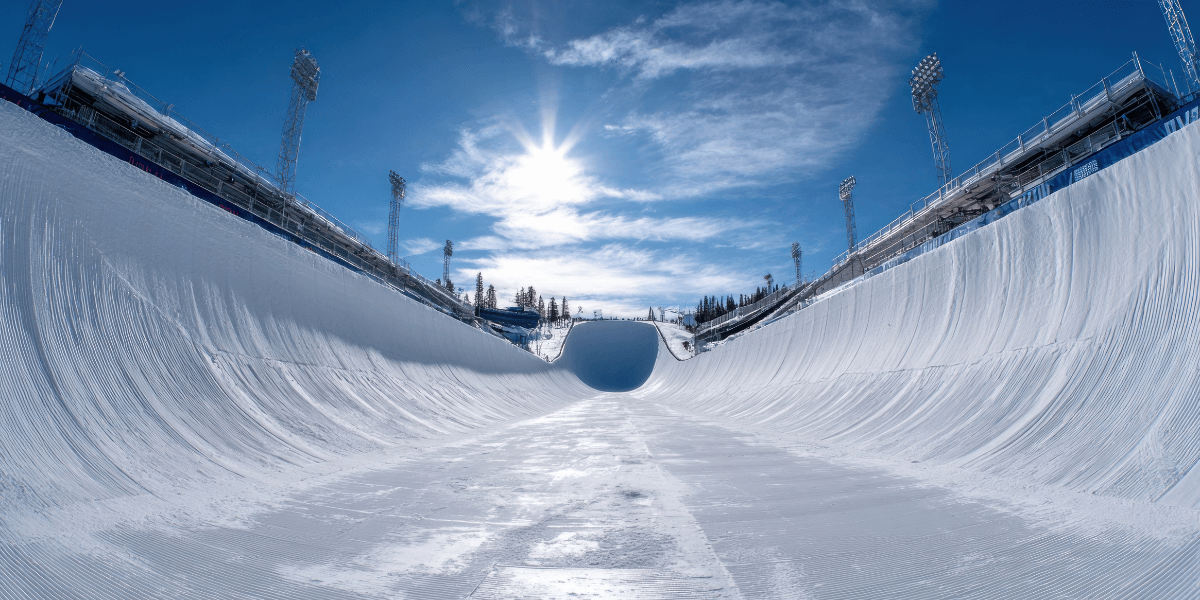
Freestyle Skiing and Snowboarding events at the Livigno Snow Park appeal heavily to younger audiences. From aerial acrobatics in halfpipe and big air to technical precision in slopestyle, these action sports generate significant streaming traffic, especially when American athletes compete.
Curling, taking place at the Cortina Olympic Stadium, has developed a dedicated following among casual fans who appreciate its strategic complexity. The mixed doubles tournament runs early in the Games, followed by men’s and women’s team competitions.
Geographic Competition Zones
Events are spread across four main areas: Milano handles ceremonies plus ice hockey, speed skating, and figure skating. Valtellina hosts freestyle skiing, snowboarding, and ski mountaineering. Cortina features alpine skiing, curling, and sliding sports. Val di Fiemme covers ski jumping and cross-country skiing. This distributed format means different events air simultaneously throughout each day.
Peacock will stream every competition live with on-demand replays, while NBC provides primetime coverage and highlights. Due to the time difference between Italy and the U.S., many live events air early morning hours Eastern time, making reliable internet essential for die-hard fans who want to watch competitions as they happen rather than waiting for tape-delayed broadcasts.
Optimize your stream
Tips for Optimal Olympic Streaming Experience
Beyond having sufficient internet speed, several strategies can enhance your Winter Olympics viewing:
Test your streaming setup before Opening Ceremonies: Don’t wait until February 6 to discover your internet can’t handle 4K streaming. Test Peacock and other platforms now with high-quality content to identify potential issues.
Position your streaming device near your router: Wi-Fi signal strength degrades with distance and through obstacles. For the most reliable performance, use a wired Ethernet connection to your streaming device, or position it in the same room as your router.
Limit other internet usage during can’t-miss events: If you’re streaming a must-see gold medal competition, pause automatic cloud backups, game downloads, and other bandwidth-heavy tasks.
Use your provider’s equipment: While third-party routers offer advanced features, provider-supplied equipment is optimized for their network and typically receives priority support if issues arise during the Games.
Download the NBC Sports app and Peacock app: Having both platforms ready on all your devices provides flexibility and backup options if one platform experiences technical difficulties.
Why Waiting to Upgrade Your Internet Could Cost You
Here’s the reality: millions of Americans will attempt to stream the Winter Olympics simultaneously. Internet service providers experience their heaviest sustained traffic during major sporting events, and the 17-day Olympic marathon tests networks like nothing else.
If you’re currently experiencing buffering during regular streaming, or if multiple household members can’t stream simultaneously without quality issues, the Olympics will only exacerbate these problems. The time to address internet connectivity issues is now, not when you’re missing the gold-medal figure skating performance or overtime in the hockey finals.
Modern internet providers offer significantly faster speeds at competitive prices compared to even five years ago. Fiber internet delivering 1 Gbps (1,000 Mbps) has become the new standard in many markets, providing more than enough bandwidth for a household to stream multiple 4K Olympic feeds while maintaining normal internet usage.
Upgrade Your Internet to Stream the 2026 Winter Olympics
Don’t let an inadequate internet connection ruin your Olympic experience. Take a few minutes now to compare internet providers in your area and ensure you’re ready when the Games begin on February 6, 2026. Your future self—the one watching Team USA compete for gold without a single buffer or interruption—will thank you.
[search_block]
Sources
[1] Olympics.com. “Milano Cortina 2026"
[3] Peacocktv.com. “Sports-Olympics"
[4] Outsideonline.com. “Watch 2026 Winter Olympics"
[5] Si.com. “Events Winter Olympics"
[6] Statista.com. “Winter Olympics Most Followed Sports US"