












 Call
Call 


 Access Your Account
 How Many Starlink Satellites Are in Orbit?
Table of Contents
Wondering how many Starlink satellites are in Orbit? As of March 2026, SpaceX has launched 11,529 Starlink satellites in total [1] — a staggering figure that makes Starlink’s the largest satellite constellation ever assembled. But that headline number tells only part of the story. The number of Starlink satellites in space right now, actively circling the Earth, is around 10,049 [2]. And the number of those that are fully operational — what SpaceX calls “working satellites" — sits at approximately 10,039.
So where did the rest go? Some satellites have deorbited after reaching the end of their operational lives. Others were early prototypes that were never intended for long-term service. A small number failed before becoming operational. The total launched figure includes all of them.
SpaceX’s launch cadence has been relentless since the program began. The first batch of 60 Starlink satellites went up in May 2019 [3]. Since then, the company has completed over 600 missions, steadily stacking thousands of satellites into low Earth orbit (LEO), which is typically between 340 and 570 kilometers above the surface. To put that growth in perspective, it took SpaceX just a few years to build a constellation larger than all other active satellites from all other operators combined.
[search_block]

Launched vs. In Orbit vs. Working: What’s the Difference?
When SpaceX reports a total SpaceX Starlink satellite count, that number reflects every satellite ever placed on a rocket, regardless of outcome. Here’s how to break it down:
- Launched: 11,529 (as of March 2026). Every satellite that has ever left the ground on a SpaceX rocket, including prototypes, deorbited satellites, and failed units.
- In orbit: ~10,049. Satellites currently circling Earth, whether fully operational or not.
- Working (operational): ~10,039. Satellites that are active and in their assigned orbital position. This is the number that directly powers Starlink’s network.
To be classified as operational, a satellite must be both active and correctly positioned within its assigned orbital shell. Satellites that are maneuvering, undergoing testing, or experiencing issues don’t count toward the working total.
This matters because Starlink working satellites are the ones actually doing the job of delivering satellite internet. The gap between “in orbit" and “working" is relatively small right now — about 10 satellites — but understanding this framework helps put future expansion numbers in context.
How Starlink Satellites Affect Internet Speed
Here’s the question most people actually care about: does a bigger constellation mean better internet?
The short answer is yes, and the relationship is more direct than you might realize. Starlink internet satellites work by routing your connection through whichever satellite (or satellites) are currently overhead. The more satellites in position above a given area, the shorter the gaps between coverage passes, and the more network capacity is available to be shared among users in that region.
More specifically, a denser constellation delivers three measurable benefits:
- Lower latency: More satellites overhead means your data doesn’t have to travel as far to reach one, reducing round-trip time. Starlink currently advertises latency between 20–40ms for most residential plans, which is competitive with cable internet for most everyday uses.
- Faster speeds: With more satellites sharing the load, each one handles fewer simultaneous connections, which generally translates to higher throughput per user.
- Broader coverage: Additional satellites in new orbital planes help fill geographic gaps, particularly in high-latitude regions and remote areas that traditional internet providers don’t serve well.
Like adding lanes to a highway, each new working satellite effectively widens the network’s capacity, reducing the bottlenecks that slow things down during peak hours.
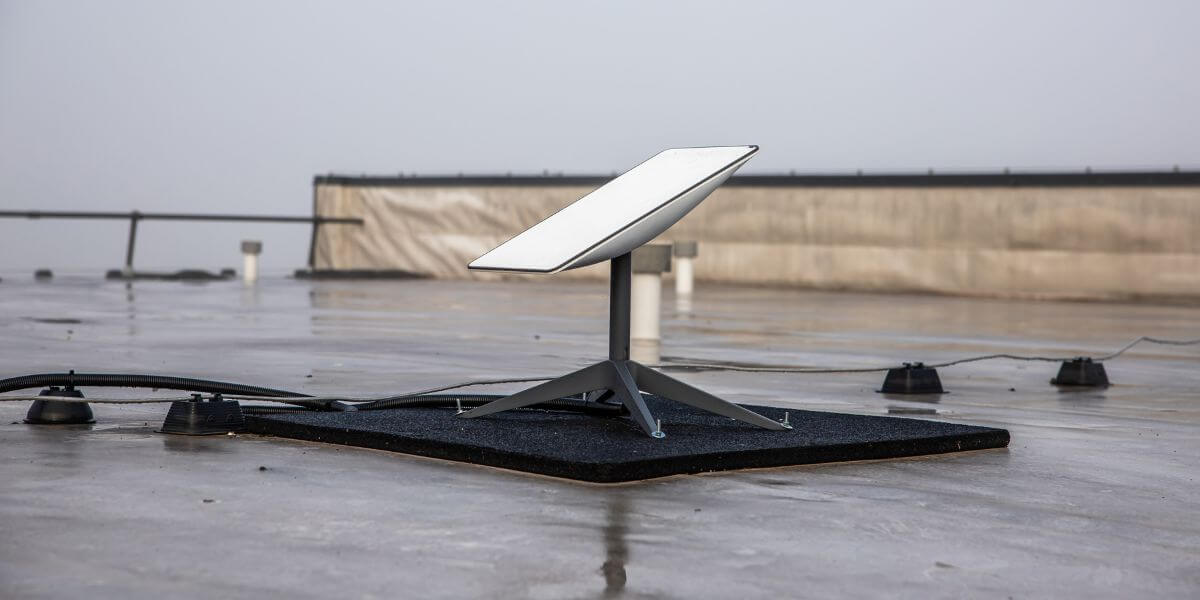
What SpaceX’s FCC Approval Means for the Future
The Starlink satellite constellation is already the largest in history, but SpaceX has regulatory clearance to go much further.
On January 9, 2026, the FCC granted SpaceX authorization to construct, deploy, and operate an additional 7,500 second-generation (Gen2) Starlink satellites, bringing the total approved constellation to 15,000 satellites [4]. The official FCC authorization outlines significant technical upgrades beyond just the numbers:
- Gen2 satellites will operate across Ku-, Ka-, V-, E-, and W-band frequencies, supporting both fixed broadband (FSS) and mobile satellite service (MSS).
- New orbital shells at altitudes from 340 to 485 km will optimize coverage and reduce latency further.
- The authorization includes direct-to-cell connectivity, paving the way for Starlink to supplement mobile coverage (not just home broadband).
- Outdated restrictions on overlapping beam coverage have been waived, allowing for denser, more efficient use of spectrum.
This Starlink FCC approval is significant for consumers for two reasons. First, it means faster speeds and lower latency are likely on the horizon as the Gen2 fleet grows. Second, the direct-to-cell component signals that Starlink is positioning itself not just as a home internet option but as a potential backbone for mobile coverage in areas where cell networks are weak or nonexistent.
Starlink currently serves over 10 million subscribers worldwide, a milestone that shows just how quickly satellite internet has gone from a niche backup option to a mainstream connectivity solution, particularly in rural and underserved areas.

Is Starlink the Right Internet Option for You?
Starlink is worth serious consideration if you’re in an area where traditional internet providers don’t offer reliable service, like rural locations without access to fiber or cable. For those users, Starlink’s expanding constellation means progressively better performance with each new batch of SpaceX satellite launches.
That said, Starlink isn’t always the best fit. In areas with strong fiber or cable competition, those technologies typically offer faster speeds at lower prices. Before committing to a satellite plan, it’s worth taking a few minutes to compare internet providers in your area. Prices, speeds, and availability vary significantly by location, and the best internet in your area might be something other than satellite.
Whether you’re looking to compare internet plans, check internet prices, or find the best internet providers near you, the most important step is an honest internet comparison based on what’s actually available at your address. Enter your zip code below to see which providers serve your area and how Starlink stacks up against local options.
[search_block]
FAQs
How many Starlink satellites are currently in orbit?
As of late February 2026, approximately 10,049 Starlink satellites are in orbit — meaning they are actively circling the Earth. Of those, around 10,039 are classified as fully operational, or “working," satellites. The total number ever launched is higher (11,529), but that figure includes deorbited satellites, prototypes, and failed units.
How many Starlink satellites has SpaceX launched in total?
SpaceX has launched 11,351 Starlink satellites as of March 2026, across more than 600 completed missions. The program began in May 2019 with an initial batch of 60 satellites and has grown rapidly ever since. New launches occur frequently, so the total SpaceX Starlink satellite count continues to climb.
How do more Starlink satellites improve internet service?
More working satellites directly improve internet performance for customers. A denser constellation means more satellites are overhead at any given time, which increases network capacity, lowers latency, and extends coverage to more locations. Each new satellite effectively adds more lanes to Starlink’s orbital network, reducing congestion and improving speeds — particularly during peak usage hours.
What is the maximum number of Starlink satellites SpaceX is allowed to operate?
Following the FCC’s January 2026 authorization, SpaceX has approval to operate up to 15,000 Starlink satellites in total. This includes an additional 7,500 Gen2 satellites beyond the existing fleet. The Gen2 satellites come with upgraded technology, including multi-band frequency support, direct-to-cell capability, and new orbital shells optimized for broader global coverage.
Sources
[1] Scientific American. “SpaceX now has more than 10,000 Starlink satellites in orbit.”
[2] Space. “SpaceX launches 10,000th active Starlink satellite in low Earth orbit (video).”
[4] FCC. “FCC Approves Next-Gen Satellite Constellation.”