











 Call
Call 


 Access Your Account
 Bandwidth vs Speed: Digging Into the Key Differences

Table of Contents
Hanging out with techie friends can make you question whether you know your internet jargon. Have you ever started to say “bandwidth” and then wondered if you should be saying “speed” instead?
Don’t feel bad: people switch up the two terms all the time. You can learn the difference between internet speed vs bandwidth in this quick guide. Knowing why they are different will help you choose the best internet plan for you!
Starting With a Good Internet Bandwidth Definition
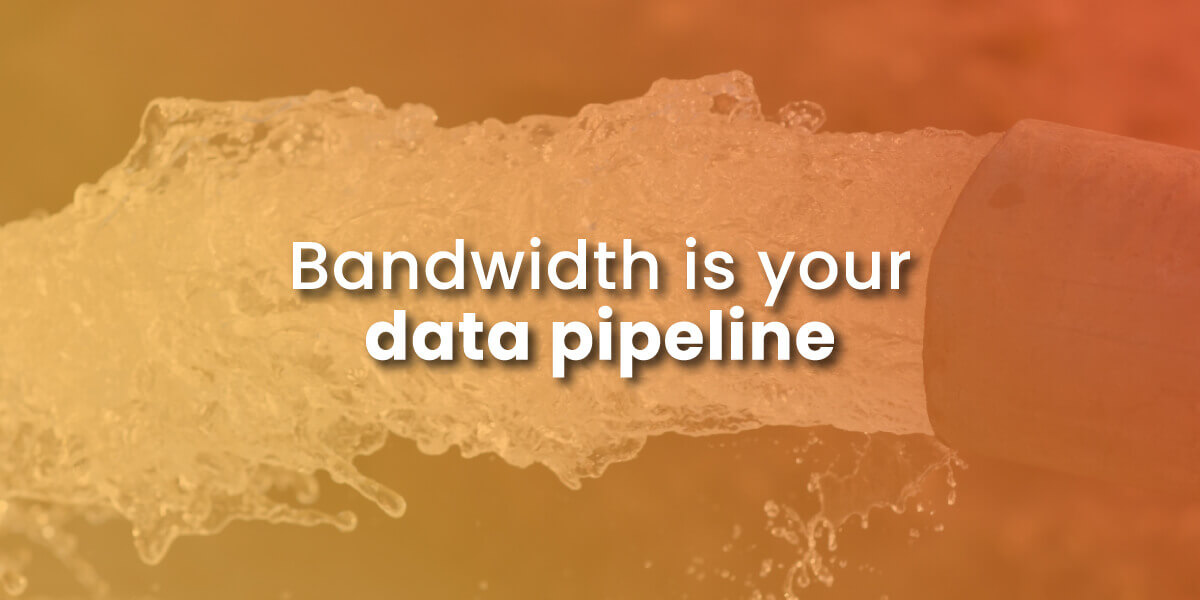
Let’s start with bandwidth, because it sets the limits for your internet experience. Bandwidth refers to the maximum capacity of your internet connection. Bandwidth is like a pipe that all your data has to flow through.
The wider a pipe, the more water can flow through it at one time.
Similarly, the more bandwidth you have, the more data can be transferred through your internet connection at one time.
Bandwidth is measured in Mbps (megabits per second). Some common speed guidelines are:
- 5-10 Mbps – Enough for basic web browsing
- 25-50 Mbps – Enough for streaming in HD
- 100+ Mbps – Enough for ultra-HD streaming on multiple devices
The higher your connection’s bandwidth, the more data you can transmit at once. (It is a little odd that even though the word “width” is part of bandwidth, we don’t describe how “wide” a bandwidth is but instead describe larger bandwidth as “high.” No wonder everyone is confused! But it’s a quirk of language we just have to live with.)
At 25 Mbps bandwidth, you may be able to stream Netflix in HD if you’re the only one streaming. But if four people in your house are all streaming HD video at the same time, you’ll max out that 25 Mbps bandwidth and your videos will slow down or glitch. At 100 Mbps though, you’ll have enough bandwidth for multiple HD streams plus other activities like online gaming and video calls.
Measuring internet bandwidth isn’t something you can do at home. It’s something your internet service provider does when they tell you your plan features speeds of “up to 100 Mbps.” That “up to” is the clue that they are telling you your max capacity, or bandwidth…even though they’re calling it “speeds up to.”
The Role of Internet Speed
Now let’s talk speed, which is related to bandwidth but refers to a different measurement. Speed measures how fast data actually travels from one point to another over your internet connection.
While bandwidth is the maximum capacity or “size of the pipe," speed is how quickly the data actually flows through that pipe. So, your bandwidth might always be 100 Mbps, but on one day, you might get an actual speed of 90 Mbps, and the next day your actual speed is only 75 Mbps.
Speed depends on a few key factors:
- Bandwidth – Higher bandwidth enables faster speeds. Your minimum goal should be broadband bandwidth, as defined by the FCC at 25 Mbps download speed/3 Mbps upload speed.
- Latency – Latency is a measure of delay, usually caused by distance that a signal has to travel. Latency may sometime be called “ping rate” or “ping” by internet speed tests. Low latency is good because it means no delay. High latency means more delay.
- Network congestion – Congestion happens when many devices use the network simultaneously. Network congestion can happen if you have too many devices on your home Wi-Fi network or when too many neighbors are all using the same internet hub at once.
You can have massive bandwidth, but if you have high latency or congestion, your speed will still suffer. But your download speed and upload speed will always depend on having enough bandwidth to handle your activity needs.
If your bandwidth is only 25 Mbps for downloads, your internet download speed will never go higher than that. That’s broadband speed, but it’s certainly not super-fast by today’s standards. If your upload bandwidth is 1 Mbps (which is pretty low for some of today’s internet tasks), don’t expect to ever experience great real-time gaming over that connection.
Speed is measured in Mbps (megabits per second) just like bandwidth. But while bandwidth is the maximum possible transfer rate, speed is the actual real-world transfer rate you’re experiencing. The higher your actual speed in a given moment, the faster pages, videos, and files will load for you.
Why Bandwidth vs Speed Matters
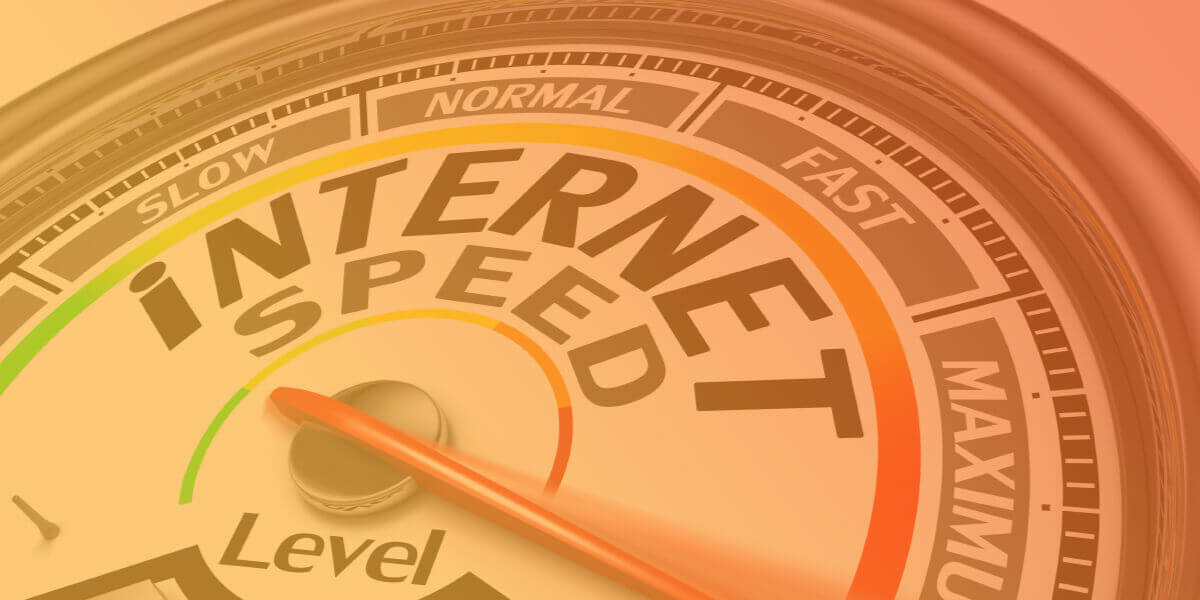
Understanding the difference between bandwidth and speed can help you diagnose internet connectivity problems more accurately. Say your video call quality is poor – is that due to insufficient bandwidth, or is there high latency on the network causing slow speeds? Knowing the potential causes of trouble will lead you to the right solution.
Measuring internet speed will be crucial if you’re trying to track down the cause of a problem. Try an internet speed test to get an idea of your actual speed.
You don’t want to order a more expensive internet plan from your ISP if it turns out that the problem is actually lag from congestion on your Wi-Fi network. First, you would want to know if your router had enough bandwidth to handle all your devices. If your router was too old and cramping your bandwidth, so you got less speed than your ISP was delivering at maximum, then you would want to replace the router.
Bandwidth is like the guardrail that sets the outer limit for speed. You can only achieve high real-world data transfer speeds if you have enough bandwidth for your activity needs.
The Impact of Internet Bandwidth
Having more bandwidth lets you do more online with less lag and buffering. Activities like 4K video streaming, multiplayer gaming, and video conferencing require high bandwidth to work well.
The more bandwidth you have, the snappier and more seamless your internet experience will be overall. Pages and videos will load faster, apps will work better, and you’ll experience less video buffering.
Upgrading your bandwidth is one of the most direct ways to improve your internet experience, especially if you have multiple connected devices in your household. Sometimes, you may even need to switch providers to get more bandwidth. Switching from DSL to cable or fiber internet can make a big difference.

The Need for an Internet Speed Definition
While bandwidth establishes the ceiling for internet performance, speed determines how close you get to reaching that ceiling. Faster speed means less waiting for pages, videos, and files to download. It makes every online activity feel snappier and more responsive.
Certain applications call for extremely fast speeds:
- HD video streaming
- Online multiplayer gaming
- Downloading/transferring large files
- Zoom calls or webinars
- Cloud-based services like Google Drive
Slow speeds become very apparent and frustrating when using these types of bandwidth-intensive applications. Upgrading your speed is crucial if you use the internet for anything beyond basic browsing.
Optimizing Your Internet Connection
If you want to optimize both bandwidth and speed, here are a few tips:
- Upgrade your overall internet plan – Paying for faster service is the simplest path to increasing internet bandwidth and improving internet speed.
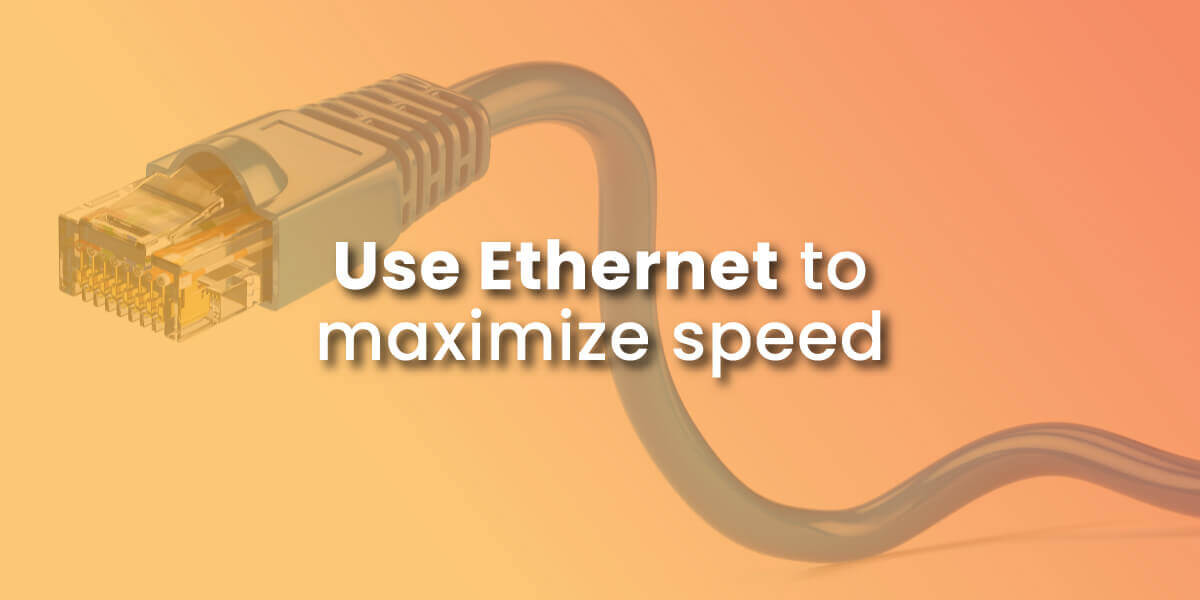
- Use Ethernet instead of Wi-Fi – A wired Ethernet connection provides faster and more reliable speed than wireless.
- Get a newer router – New routers better distribute bandwidth across devices.
- Limit devices connected – The more devices on your Wi-Fi network simultaneously, the slower it gets.
- Check router placement – Make sure your router has a clear line of sight and isn’t surrounded by objects.
With the right tweaks, you can maximize the bandwidth you have access to and achieve faster real-world speeds!
The Takeaway on Internet Speed vs Bandwidth
Bandwidth sets the upper limit, but speed determines your real-world transfer rate. If you have a good handle on both your internet connection bandwidth, as stated by your ISP, and your internet connection speed, as measured by an internet speed test, you will know how to pick your best internet plan for your household. And once you have that plan in place, knowing how both metrics work together will help you fully understand your internet connection performance.
FAQs
Does higher bandwidth mean higher speed?
Not necessarily. If your bandwidth is being maxed out by too many devices or activities, your speed may still suffer. But in general, higher bandwidth will allow for faster speeds.
Do I need more bandwidth or speed?
For typical internet use like web browsing and email, speed may be more important. For HD streaming and online gaming, you’ll want both more bandwidth and faster speeds. The FCC’s definition of broadband may change due to today’s higher data requirements, from the current 25/3 standard to a new standard of 100 Mbps download/10 Mbps upload.
Is Mbps a speed or bandwidth measurement?
Mbps (megabits per second) measures the speed at which data transfers. The measurement is used for both bandwidth and internet speed. The difference is that bandwidth is maximum capacity of the connection, but speed is the actual rate at which the data transfers.
What is the difference between speed, bandwidth, and throughput?
Bandwidth is the max capacity, speed is the real-world transfer rate, and network throughput is the actual amount of data transferred in a specific time period.